




Theme - Parent-teacher conference

Theme - Parent-teacher conference

Welcome!

Welcome to...

Audio

Teachers don’t work alone, but together with parents! But… how do you talk with them? What do you talk about with them? Teachers talk with parents at different moments - during drop-off and pick-up, during parent-teacher conferences, to report incidents at school, and more. During this theme, you will practice talking with parents in various contexts. Before you start, take a moment to inquire about school policies regarding contact with parents, so that your practice fits the context of your school.


Learning objectives

Basic user - B1 of the CEFR

  • You can tell what happened in an incident in clear and simple words, and you can answer basic questions about it so that others understand the situation.


Independent user - B2 of the CEFR

  • You can lead a first parent–teacher meeting in a clear and respectful way. You can open, guide and close the conversation independently, so that parents feel listened to and get a clear picture of their child’s starting situation. You can follow the basic rules for professional communication in the school.


Proficient user - C+ of the CEFR

  • You can conduct a parent–teacher meeting about a child’s academic progress in a clear, professional and well-structured manner, drawing on relevant observations and/or test results to explain the child’s development, respond appropriately to parents’ questions, and support shared decision-making in an authentic or simulated school context.


Success criteria

Basic user - B1 of the CEFR

✔ You can describe different incidents that might happen during a school day.

✔ You can have a conversation about an incident with a caregiver.

✔ Your level of English is at least B1 of the CEFR.


Independent user - B2 of the CEFR

✔ You can conduct an initial parent-teacher meeting with a parent/caregiver.

✔ You can open and close the meeting.

✔ Your level of English is at least B2 of the CEFR.


Proficient user - C+ of the CEFR

✔ You can lead a parent-teacher conference about a child’s academic progress, including the opening and closing.

✔ You can explain a graph with test results.

✔ You can describe a child’s level of achievement.

✔ You can answer questions about the information.

✔ Your level of English is at least C1 of the CEFR.

Vocabulary and Grammar

Vocabulary

You will learn to talk with parents in various contexts: informally and formally.

Examples of informal moments might be during drop-off and pick-up times.

Examples of formal moments might be during parent-teacher conferences.


Here are examples of vocabulary you may need for these conversations.

Basic User/ B1: unfortunately, so, therefore, in short, next time, by accident, conflict with, an accident, react to, during the break, in the hall, during the PE lesson, inside, outside, solution, solve, no need to see a doctor, steps taken, as a result of, agree to, take care of,

Independent User/ B2:

Proficient User/ C1: standardized test results, different sorts of Dutch education, describing levels (above/ below average, on target), observation list.

If you work on the ‘Independent’ or ‘Proficient’ exercises, you will make your own word lists.


Grammar

In your speaking exercises, you may make use of ‘phrasal verbs’. Here are some videos that help explain what conjunctions are and how to use them.


Examples of phrasal verbs


Do you want to practice with a friend?  Or a group of friends?  Try this game!

Here are some online materials you may use for practice:


Examples of reported speech


B1 - Basic user


Introduction

You work at a school and at the end of the day you have a short conversation with some parents about the events of the day. Some children got into a fight, one pupil got hurt and a youngster wet his pants. Nothing too serious, but parents do need to be informed.


Learning objectives

Basic user - B1 of the CEFR

  • You can tell what happened in an incident in clear and simple words, and you can answer basic questions about it so that others understand the situation.


Vocabulary

Vocabulary

When you talk about an incident, you need to remember these things:

  • Who: who was involved?
  • What: what happened?
  • When: when did it happen?
  • Where: where did it happen?
  • How: how was it dealt with?


What happened?

  • A child got into a fight with...
  • A child fell down and hurt...
  • A child got into a conflict about...
  • A child tripped over...
  • A child fell off of...
  • A child bumped into...
  • A child wet his/ her pants...
  • A child had a small accident...
  • A child lost a tooth

Where did it happen?

  • Outside
  • On the playground
  • Inside
  • In the classroom
  • In the hallway
  • In the toilet

How was it dealt with?

  • You cleaned the wound
  • You put a plaster on it
  • You put an ice pack on it
  • You talked it out with the children
  • You got the child clean clothes
  • You put the tooth in an envelope


Toets: Incident: PE accident

Start

Time to speak!

Speaking Task 1

Logbook dictation

Every teacher makes notes of accidents and incidents that occur in the school day.

In this activity, you will work with a classmate to fill in your accident report. You will ask and answer each other's questions about your accident reports.


Here are three scenarios. Select one and print it.


Work with a partner.

  • Step 1: decide who is speaker A and who is speaker B
  • Step 2: ask each other questions
  • Step 3: fill in the blanks


Sample questions:

  • What happened in the gym / toilet / hallway?
  • Who was involved?
  • What did you do?
  • What did you say to the child / to the caregivers?


Speaking Task 2

When accidents happen, you talk with the child. What do you say?

In this activity, you will role-play speaking with a child.  Remember to describe what happened, comfort the child, correct the behavior, and describe what the child should do next.


Work in groups of 3

  • Print this document: Speaking Task 2
  • Decide who is the teacher, who is the child, and who will observe the role play.
  • Choose an incident. Read it together.
  • The 'teacher' and the 'child' do the role play.
  • The 'observer' gives feedback.
  • Switch roles and try the role play again.
  • Make notes: what new words did you use?
  • Choose another incident to practice, and switch roles.
  • Repeat this until you feel confident with all of the situations.


Speaking Task 3

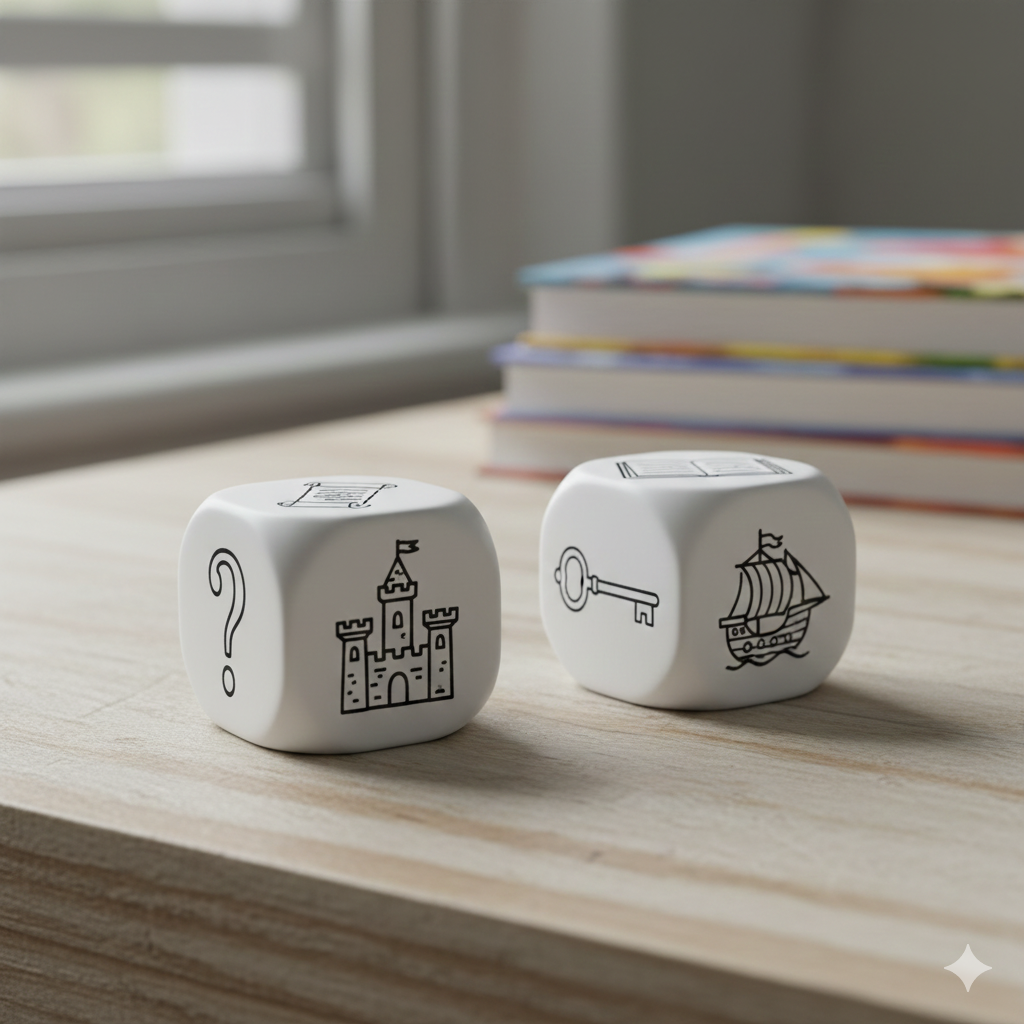
In this task, you will practice talking about incidents and accidents, using story dice.

Work in a small group of 3 to 4 people.

  • Print this document: Story Dice - incidents
  • Cut out the story dice and put them together.
  • Take turns throwing the dice.
  • Create a short story using the dice prompts.
  • Each correct sentence = 1 point.

Give each other feedback. Was the explanation clear? Could you make correct sentences? How could you improve your explanation?

Make notes for yourself about what you learned.


Know it? Show it!

Success criteria


Basic user - B1 of the CEFR

✔ I can describe different incidents that might happen during a school day.

✔ I can have a conversation about an incident with a caregiver.

✔ My level of English is at least B1 of the CEFR. (self-assessment checklist B1 of the CEFR)


B2 - Independent user

Getting to know the parents

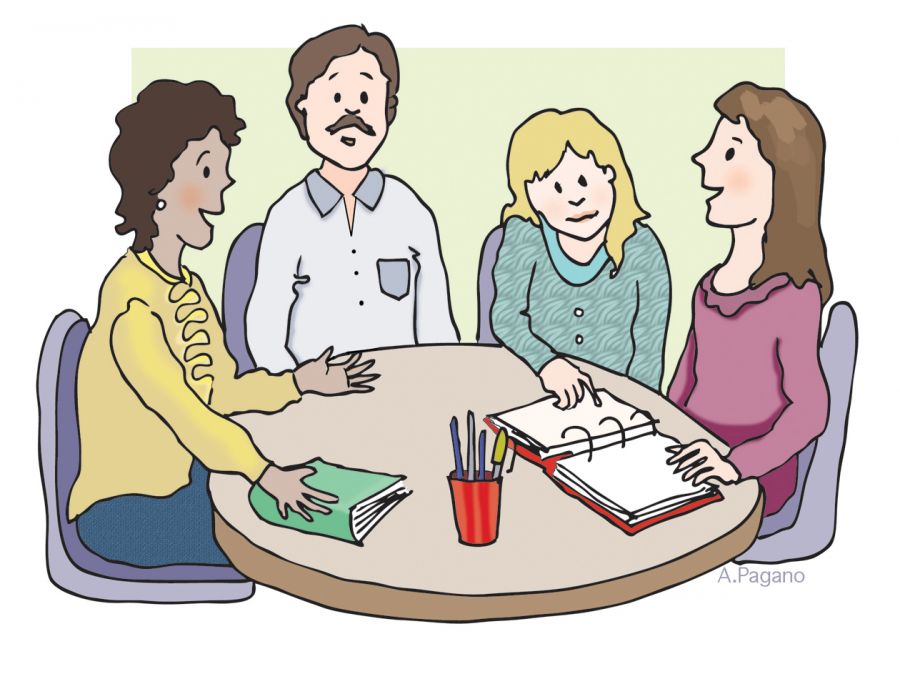
A child has recently started at school in your class and after several weeks you have an introductory meeting with its parents to talk about how well the child is adjusting, any observations you have made until now, and to ask if the parents have any questions. What makes an initial parent-teacher meeting a successful one? Which topics do you talk about? Brainstorm with a fellow student?

In the tasks that follow, you will learn to hold a simple, formal conversation with parents.


Learning objectives

Independent user - B2 of the CEFR

  • You can lead a first parent–teacher meeting in a clear and respectful way. You can open, guide and close the conversation independently, so that parents feel listened to and get a clear picture of their child’s starting situation. You can follow the basic rules for professional communication in the school.


Story time - Listen and read

Input information

Getting started... what do parent-teacher conferences look like?

This video was made to help parents understand what parent-teacher conferences look like. It explains how they work and what teachers and parents talk about. 

Watch the video and take notes.

(note: it's an older video)


This video is a sample parent-teacher conference. Watch the video and make notes about what kinds of things the teacher talks about.

Look for these steps:

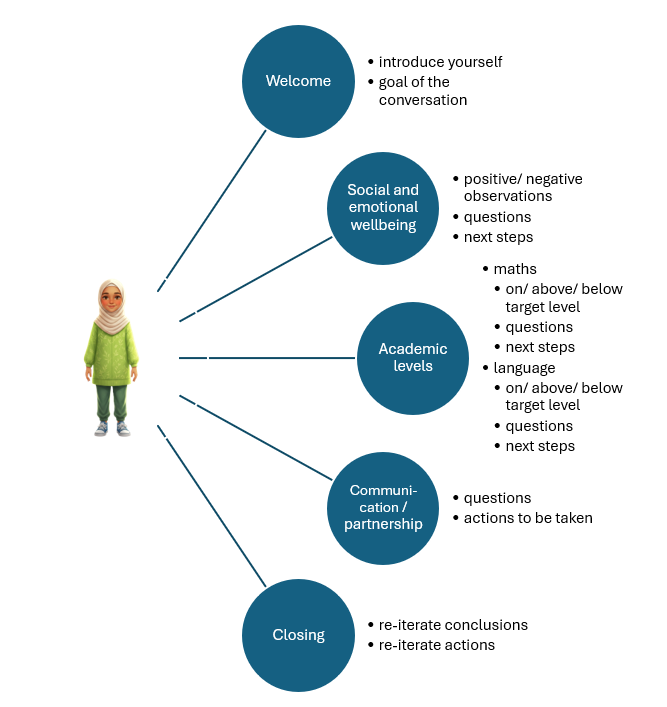
1. Welcome and introduction

2. Positive observations

3. Settling in: social and emotion development

4. Academic adjustment

5. Cultural and language support

6. Communication and partnership

7. Questions and next steps

8. Closing

(note: this video was made with genAI and has extra sound effects)


Vocabulary

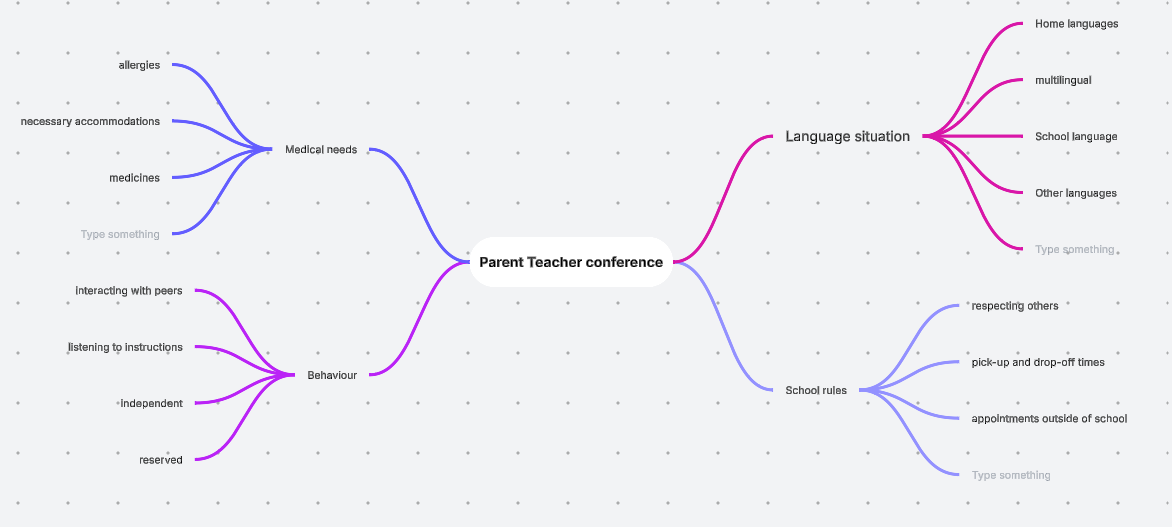
Make your own mind map. Think of words you might need so you can discuss the following issues and add them to your map:

  1. language situation at home versus at school
  2. school rules and expectations
  3. child's medical needs
  4. child's behaviour


Expand your  mind map

  • After you made your own mind map, compare notes with a classmate. 
  • Does your classmate have words that you don't?  Add these to your own mind map.
  • Compare your mind map with three or four other mind maps, adding new words to your own as you go.

Which of these concepts is new to  you? Underline these. and find a sentence for each of these words.

Which are familiar? Circle these.


Time to speak!

Speaking task 4

What to say at parent-teacher conferences: one step at a time.

Before diving into the deep end, practice how to open and close the meeting. Read this article. What do teachers say to open the meeting? How do they close it? What else do they talk about?

It's important to welcome the parents/caregivers. Let them know where they can sit, for instance. Tell them that you're pleased to be able to speak with them, and then name the goal of the conversation. If you need, say how much time you expect to be speaking, and share strategies for longer conversations later on.

For instance:

  • "Welcome! I'm so glad you're here. You may sit here."
  • "We're just going to have a short chat about how well your child is adjusting to school. We only have 10 minutes, but if we need more time, then we can make a follow-up appointment."
  • "I've been working with your child for ... weeks, and made some observations. I have also collected some work to share with you."
  • "I'm interested to know if you see that the same way?"


As the conference comes to a close, round off by summarizing the conversation and naming any points of action. If a follow-up conversation is needed, pull out your agenda and make a plan.

For instance:

  • "It's time for us to wrap up this conversation. We've spoken about..."
  • "I've got these points of action to follow up on... and you've mentioned that you will..."
  • "Let's make an appointment for a follow-up conversation. Do you have your agenda at hand?"
  • "Thank you again for coming over. It's been good to speak with you."


Opening and closing the parent-teacher conference: In this exercise, you will only open and close the conversation. In the next exercise, you will start filling in the middle of the conversation. 

  • One of you will be the teacher, the other will be the parent.
  • Take turns 'welcoming' your classmate into the room, seating him/her down, and welcoming him/her to the conference.
  • Round off the conversation and take your leave of each other.
  • Change roles and repeat until you feel comfortable with this bit.


Speaking task 5

Use your mind map from the Vocabulary exercise. Work with a classmate. Take a moment to focus your thoughts on one of your learners, for you to talk about. Talk briefly about this child, so you both have an idea of what the child is like.

If you need, make a flow chart to help you structure your thoughts and contents for the meeting.


Speed date: divide the group into two equally large groups, group A (teachers) and group B (parents). Students from group A (teachers) sit apart from each other. Students from group B (parents) find a speaking partner from group A (teachers). Sit across from each other and talk about the questions below. After 5 minutes, group B (parents) switches speaking partners.  You can use any materials from the previous assignments as an aid in the conversation if appropriate.

  • Welcome the parent and name the goal for the conversation.
  • Name one or two positive observations about the child.
  • Talk about something specific, for instance school rules, child behavior, the language situation or medical needs of the child.
  • Round off the conversation.

For round 2, Group B stands up and finds a new partner. Repeat the process.

For round 3 and 4, Group A becomes the parents and Group B becomes the teacher. Repeat the process.

  • What have you learned from the stories of other students?


For independent work using ChatGPT*:

Write down in a few bullet points about the topics provided. Give at least three observations.

After that you open ChatGPT and present your talk in your own words and support with observations.

Before speaking enter prompt 1 on ChatGPT: I want to discuss (insert topic here). Please listen and estimate my CEFR level of speaking. I also want to know if my observations sound specific and concrete.

  • After speaking, enter prompt 2: Please estimate my CEFR level of speaking.
  • After speaking, enter prompt 3: What suggestions can you make to make my observations more specific and concrete?
  • After speaking, enter prompt 4: What suggestions can you make to improve my vocabulary and grammar, based on my speaking?

After each ‘After speaking’ prompt, make notes of the feedback ChatGPT gives.


*Please note: please do not share any personal data with ChatGPT, such as your own name, age, address, school, or other personal information.


Speaking task 6

In small groups you will practice a complete parent-teacher conference.  Use this document for ideas for topics:

If you want extra challenge, use this document with concrete scenarios (select one to work out in more detail):


Work in groups of three or four. One is the teacher, one is the parent, one is the observer. If you are in a group of four, the fourth can be either the duo-teacher or another parent (of the same child). You will practice the conversation three times, so you can practice each role.

Here are the roles you will practice:

  • Teacher: prepare a short explanation of what you have observed at school: behavior, language development, academic adjustment, and/ or social adjustment. For each topic, prepare a question to ask the parent(s).
  • Parent: prepare a short explanation of what you have observed, for instance how the child has reacted to school, the teachers, classmates, or subjects. For each topic, prepare a question to ask the teacher(s).
  • Observer: during the conversation, listen carefully and note feedback for each speaker.


For independent work using ChatGPT*:

Write down in a few bullet points about the topics provided. Give at least three observations.

After that you open ChatGPT and present your talk in your own words and support with observations.

Before speaking enter prompt 1 on ChatGPT: I want to discuss (insert topic here). Please listen and estimate my CEFR level of speaking. I also want to know if my observations sound specific and concrete.

  • After speaking, enter prompt 2: Please estimate my CEFR level of speaking.
  • After speaking, enter prompt 3: What suggestions can you make to make my observations more specific and concrete?
  • After speaking, enter prompt 4: What suggestions can you make to improve my vocabulary and grammar, based on my speaking?

After each ‘After speaking’ prompt, make notes of the feedback ChatGPT gives.


*Please note: never share any personal data with ChatGPT, such as your own name, age, address, school, or other personal information.


Know it? Show it!

Success criteria

Independent user - B2 of the CEFR

✔ I can conduct an initial parent-teacher meeting with a parent/caregiver.

✔ I can open and close the meeting.

✔ My level of English is at least B2 of the CEFR (self-assessment checklist B2 of the CEFR)


C1 - Proficient user

Introduction


It’s time for your 10-minute parent-teacher conferences. During these conversations, you will inform parents about how well their children are performing at school, based on test results and observations. You will need to prepare a conversation, including a warm opening and a positive closing.


Learning objectives

Proficient user - C+ of the CEFR

  • You can conduct a parent–teacher meeting about a child’s academic progress in a clear, professional and well-structured manner, drawing on relevant observations and/or test results to explain the child’s development, respond appropriately to parents’ questions, and support shared decision-making in an authentic or simulated school context.


Listen and read

Watch and think

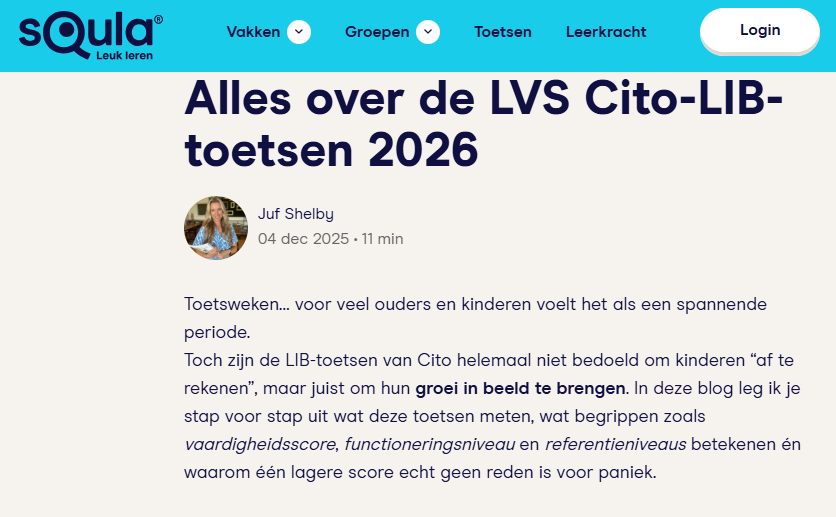
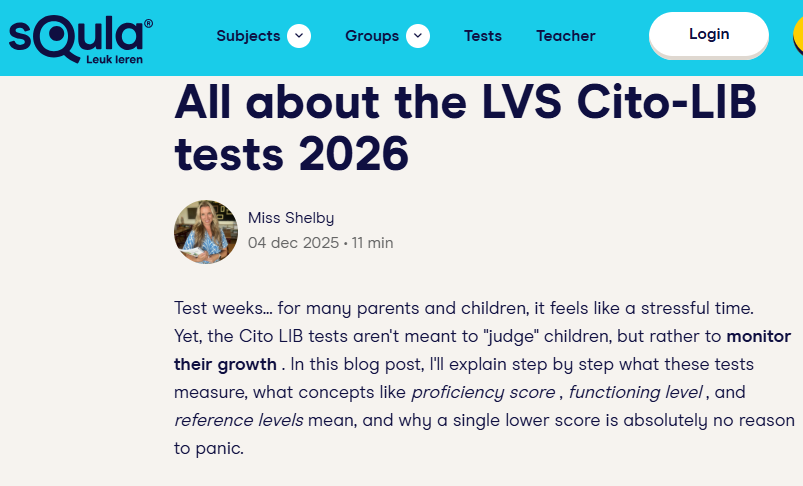
This website talks about pupil monitoring systems in the Netherlands. It's written in Dutch.

To read this in English, hover the mouse over the page. Right-click on the page. A menu will appear.

Click on 'translate to (language).' A box will appear in the top right corner with the words 'detected language.'

Click on the three dots and select 'English'.  The site will be translated into English.


  • What tests are used to  monitor spelling and reading?
  • How do the test scores work?  
  • What is a 'skill score'?  
  • Which score is better, II or IV?
  • Which score is better, A or E?
  • Which score is better, III or C?


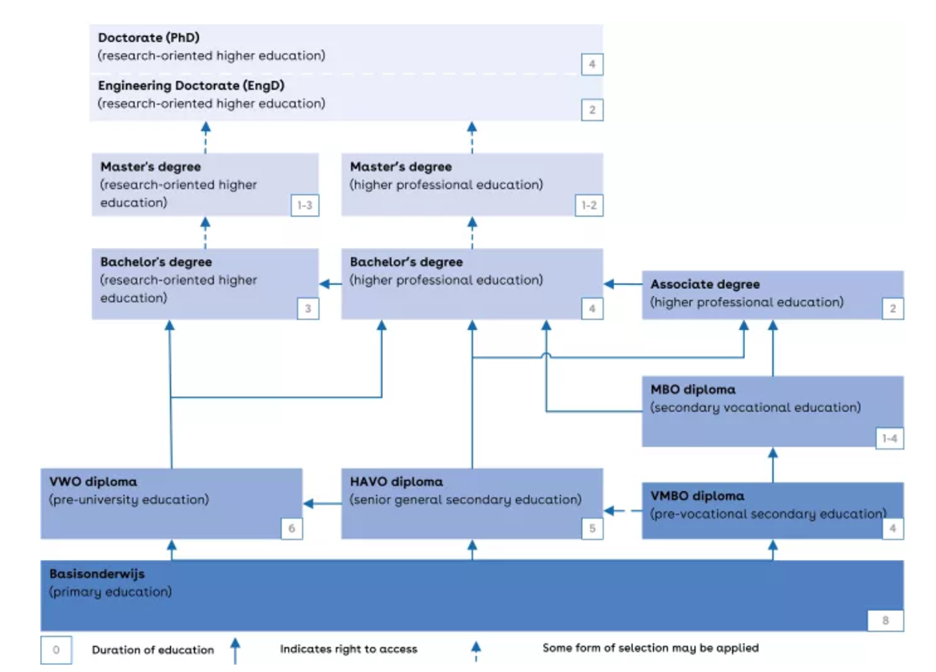
Oh NO!! genAI messed up this diagram, explaining the Dutch education system. Can you fix it up? 

Use this Nuffic webpage to figure it out: https://www.nuffic.nl/en/education-systems/the-netherlands/primary-and-secondary-education 

Make notes of new vocabulary. Can you fill in this chart, based on the information you read here?


Researching the topic

Processing the information

Here are two tasks. Choose one and complete it.

Task 1: describe your own journey through education,

Use the diagram on this page to help you: https://www.nuffic.nl/en/education-systems/the-netherlands/chart-education-system-in-the-netherlands.

If you are not from the Netherlands, describe your educational journey from your own home country. You may use this link for added support: https://www.nuffic.nl/en/study-and-work-abroad/education-systems?name=


Task 2: talk about standardized testing

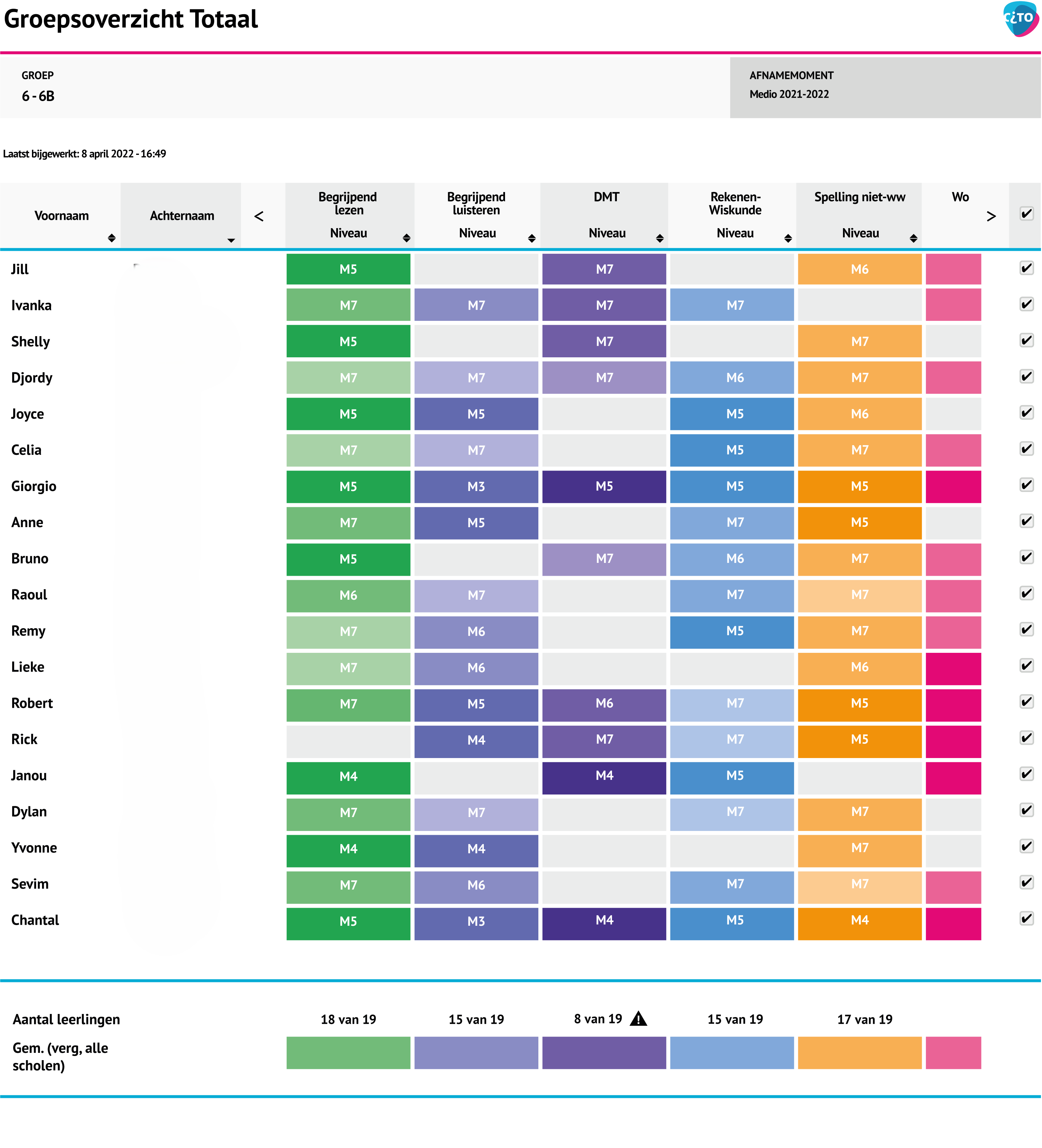
If you are Dutch, look at this overview of a group 6. Each test has its own colour.

  • Green = reading comprehension.
  • Purple = listening comprehension
  • Darker purple = three-minute technical reading test
  • Blue = Maths
  • Yellow = Spelling (excluding verbs)


What do you see?

Who is doing well in 'reading comprehension'? Who is doing poorly in spelling?

(Note; for this class, M6 is average.  Children with E5 or lower are doing poorly, and children with E6 or higher are doing well.)


If you are from a different country, find an overview for a standard test used in your own country.


Select one child to talk about.

How can you talk about his/ her/ their progress?


Sample sentences:

Bruno is below average in reading comprehension. He is above average in technical reading. He is on target in maths.

Chantal is behind in all subject areas. She is one year behind for reading comprehension. She is two years behind in spelling.

Preparing for a parent-teacher conference

A good parent-teacher conference starts with a thorough preparation.

Here are three possible sources to help you get started. Select two of them and read them through. Take notes.

Parent-teacher conference tips (Edutopia): https://www.edutopia.org/article/parent-teacher-conference-tips/

Pupil progress: https://www.pupilprogress.com/

How to prepare for parent teacher conferences in Kindergarten:


Time to speak!

Preparing for a conversation

You will now prepare for a conversation with some parents. Here are children's profiles for four different children.

Download this document ==> Children's profiles

Select one of these children to practice speaking about.

Use this graphic organizer to get your thoughts organized. Start with the child in the center. Write down a few words for each bullet point.


Speaking task 7: practice your conversation

Make a choice: speed-dating with classmates or work independently with ChatGPT.


Speed-dating

Find a classmate and practice your conversation.

Roles: teacher and parent, go through each round twice (once in each role)

  • Round 1 (2 mins): open the conversation, explain purpose of meeting (teacher speaking, parent responds)
  • Round 2 (4 mins): open, explain purpose of meeting, explain the chart (teacher speaking, parent asks one question)
  • Round 3 (8 mins): open, purpose, chart, child results (teacher speaking, parent asks one question)
  • Round 4 (10 mins): open, purpose, chart, child results, closing (teacher speaking, parent asks two questions)


Using ChatGPT

ChatGPT prompt 1: I want to talk about how a fictional child is performing at school. I need to talk about it's social and emotional well-being, it's academic achievement and discuss how parents and I can work together. Please listen and give me feedback.

Important: NEVER share personal details with any genAI machine!

  1. After speaking prompt 1: Please tell me if I talked about the given topics.
  2. After speaking prompt 2: What suggestions can you make to improve my vocabulary, based on my speaking?
  3. After speaking, prompt 3: What suggestions can you make to improve my grammar, based on my speaking?

After each ‘After speaking’ prompt, make notes of the feedback ChatGPT gives.

Repeat the speaking task.

ChatGPT prompt 2: I will now repeat the speaking task. Please check if I have applied your suggestions correctly.

Make notes of the feedback ChatGPT gives.


Speaking task 8: an open speaking assignment


Topic: you need to discuss something important about a child

Task description

For this task, you will work with a partner.

Make one choice from each column: Speaker 1, Speaker 2, a Topic, and a goal.

Speaker 1

Speaker 2

Topic

Goal

Special needs coordinator Parent Special needs child (needs of the child, restrictions from the school perspective) A plan of action for the child
Teacher Special needs coordinator Plan for home languages in school, language development of the child A plan of action for the teacher
Parent Teacher Child's general progress in school, i.e. concerning test results A plan of action for the special needs coordinator


Think about your Speaker 1: what is your point of view? You are initiating the conversation.

Think about your Speaker 2: what questions do you have? What do you want to bring to the conversation?

Think about the topic: What is it about? What information do you need to have for this conversation?

Think about your goal: what is a realistic goal for this conversation?


To prepare for the task:

  • work with a partner
  • select one topic to work on together
  • read up on policies from your own school about this topic
  • if possible: talk with a colleague/ mentor about an example of this (connect to own experience)
  • bonus: find one article about the topic, read it and take notes
  • think about: what are possible conflicts and solutions for the topic


To complete the task:

  • role play a situation, each takes turns in various roles.
  • may be performed live or video (for instance online via video chat)


Know it? Show it!

Success criteria


Proficient user - C+ of the CEFR

✔ I can lead a parent-teacher conference about a child’s academic progress, including the opening and closing.

✔ I can explain a graph with test results.

✔ I can describe a child’s level of achievement.

✔ I can answer questions about the information.

✔ My level of English is at least C1 of the CEFR (self-assessment checklist C1 of the CEFR).

Teacher's page

Links used

Here is a list of the links used for this theme. Is there a broken link? Please let us know via the feedback form. Thanks!


Introduction

  1. Phrasal verbs: https://youtu.be/JntXxLHTO5U
  2. https://www.eltbase.com/quiz/063_01.htm
  3. https://www.eltbase.com/quiz/063_02.htm
  4. https://wordwall.net/resource/3670143/dependent-prepositions
  5. Reported speech: https://youtu.be/ZGdt9apUpqg

Basic User

  1. ...

Independent User

  1. Parent-Teacher Interviews: https://youtu.be/ACZ1LGyGvHY
  2. Parent-Teacher meeting conversation: https://youtu.be/MefY1mEn51E
  3. Speaking task 4: https://primarydelightteaching.com/

Proficient User

  1. Squla website: https://www.squla.nl/toetsen/alles-over-de-lvs-toetsen
  2. Nuffic page 1: https://www.nuffic.nl/en/education-systems/the-netherlands/primary-and-secondary-education
  3. Nuffic page 2: https://www.nuffic.nl/en/education-systems/the-netherlands/chart-education-system-in-the-netherlands
  4. Nuffic page 3: https://www.nuffic.nl/en/study-and-work-abroad/education-systems?name=
  5. Preparing for a conference/ Edutopia: https://www.edutopia.org/article/parent-teacher-conference-tips/
  6. Preparing for a conference/ pupil progress: https://www.pupilprogress.com/
  7. Preparing for a conference/ kindergarten: https://youtu.be/Q8VXUCJWd0c


Photo credits

Here is a list of the photos and credits used in this theme.

Creator: https://pixy.org/ | Credit: https://pixy.org/1028337/

Copyright: CC BY-NC-ND 4.0

https://pixy.org/download/1028337/

https://lakelandhillsymca.com/wp-content/uploads/sites/18/2023/04/homeschool-gym-sm-800x514.webp

CC BY-NC 4.0

https://media.easy-peasy.ai/27feb2bb-aeb4-4a83-9fb6-8f3f2a15885e/dad1eafa-1f6f-483f-b2d0-aa69f2e18ea7.png

AI generated
unknown source

From: https://www.resminilawoffices.com/blog/how-to-read-an-accident-report/

License: CC BY-NC 4.0

created with Gemini

Prompt: The teacher and child should be in the gym, during gym lesson.

created with Gemini

Prompt: make a picture of two story dice

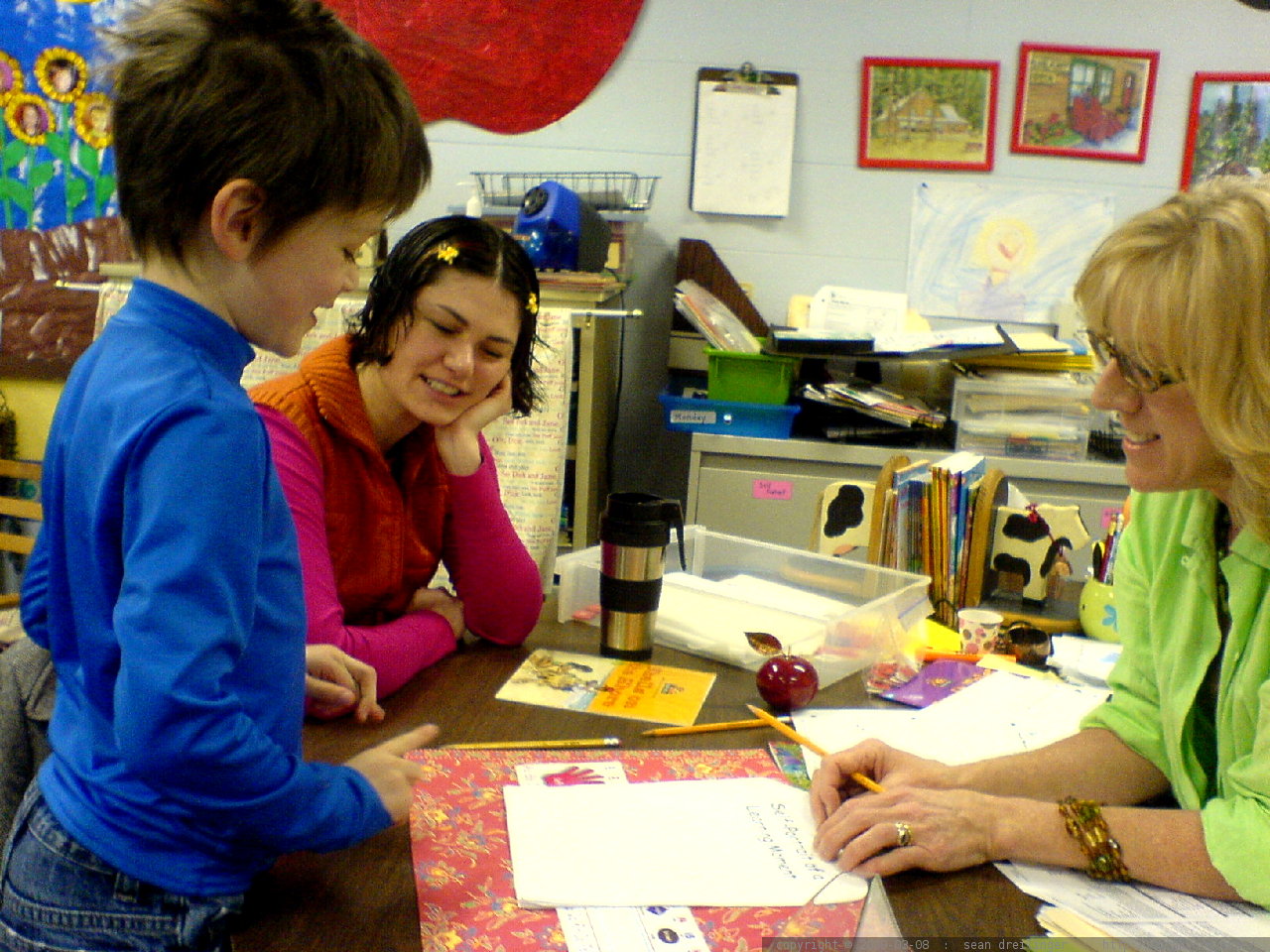
Innovation_School's photo, licensed as CC BY-NC 2.0.

https://www.flickr.com/photos/innovationschool/8048226571

https://farm4.staticflickr.com/3331/3340467206_1e1bfff9d1_o.jpg

https://durak.org/photos/43927576@N00/3340467206/nick-showing-his-parent-teacher-student-conference-DSC02539

copyright © 2009 sean dreilinger

Visit this image on flickr.

Usage terms: CC BY-NC-SA 2.0.

Chart: education system in the Netherlands | Nuffic

borrowed from https://cito.nl/onderwijs/primair-onderwijs/leerling-in-beeld-leerlingvolgsysteem/rapportages/ on December 15, 2025.

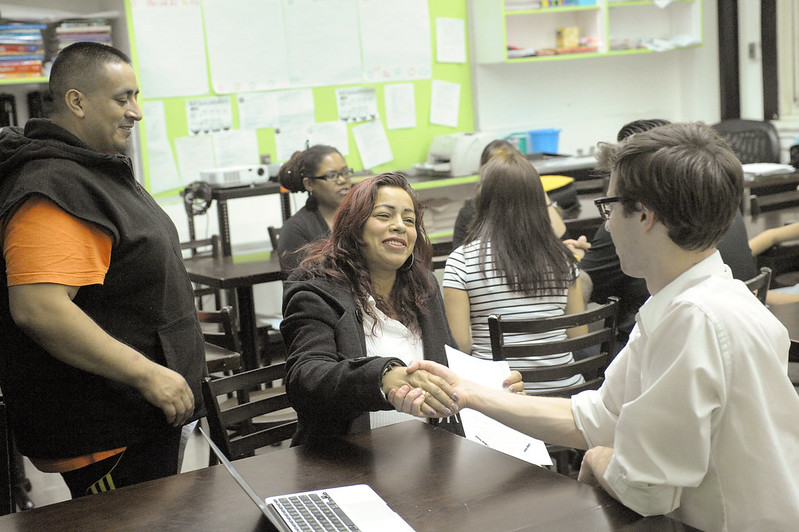
https://www.flickr.com/photos/innovationschool/8048220468

Innovation_School's photo, licensed as CC BY-NC 2.0.


Back to home page

Home page

Welcome to Speak UP! English for educators


08:30 Silent reading
09:00 STEM (CLIL)
10:30 Play time
11:00 Social skills training (CLIL)
16:00 Online planning session (international activity)

Are you ready? Click on any subject to begin.

Subjects in white are ready for use.

Subjects in green will be ready in the coming years.

'CLIL' is a theme to help teachers learn how to give CLIL instruction.

User manual

  • The arrangement Theme - Parent-teacher conference is made with Wikiwijs of Kennisnet. Wikiwijs is an educational platform where you can find, create and share learning materials.

    Last modified
    23-12-2025 17:08:15
    License

    This learning material is published under the Creative Commons Attribution-ShareAlike 4.0 International License. This means that, as long as you give attribution and publish under the same license, you are free to:

    • Share - copy and redistribute the material in any medium or format
    • Adapt - remix, transform, and build upon the material
    • for any purpose, including commercial purposes.

    More information about the CC Naamsvermelding-GelijkDelen 4.0 Internationale licentie.

    Additional information about this learning material

    The following additional information is available about this learning material:

    Description
    In this theme, speakers learn to conduct a parent-teacher conference in English.
    Education level
    HBO - Bachelor;
    Learning content and objectives
    Engelse taal en cultuur;
    End user
    leerling/student
    Difficulty
    gemiddeld
    Learning time
    7 hour 0 minutes
    Keywords
    engels, english, iol, open materiaal, parent-teacher conference, speak up!

    Used Wikiwijs arrangements

    Speak UP! English for Educators. (z.d.).

    Basic theme

    https://maken.wikiwijs.nl/208672/Basic_theme

    Speak UP! English for Educators. (2025).

    home page

    https://maken.wikiwijs.nl/218768/home_page

  • Download

    You can download the entire arrangement in the formats listed below.

    Metadata

    LTI

    Learning environments that use LTI can play Wikiwijs arrangements and tests and report results. To do this, the learning environment must be registered with Wikiwijs. Do you want to use the LTI connection? Send an email to info@wikiwijs.nl with the request to set up an LTI connection.

    Are you already registered with us? You can use the Launch URLs below.

    Arrangement

    Exercises and tests

    Incident: snacktime accident

    Incident: PE accident

    IMSCC package

    If you don’t want to copy the Launch URLs separately, but want to download them all at once, download the IMSCC package.

    QTI

    The exercises and tests of this arrangement can also be downloaded as QTI. This consists of a ZIP file that contains all information about the specific exercise or test; order of questions, images, points to be achieved, etc. Environments with a QTI player can play QTI.

    For developers

    Wikiwijs learning materials can be used in an external learning environment. Technical connections can be made and the learning material can be exported in various ways. More information about this can be found on our Developers Wiki.